
Frequently Asked Questions (FAQs)
What is Serengeti National Park known for?
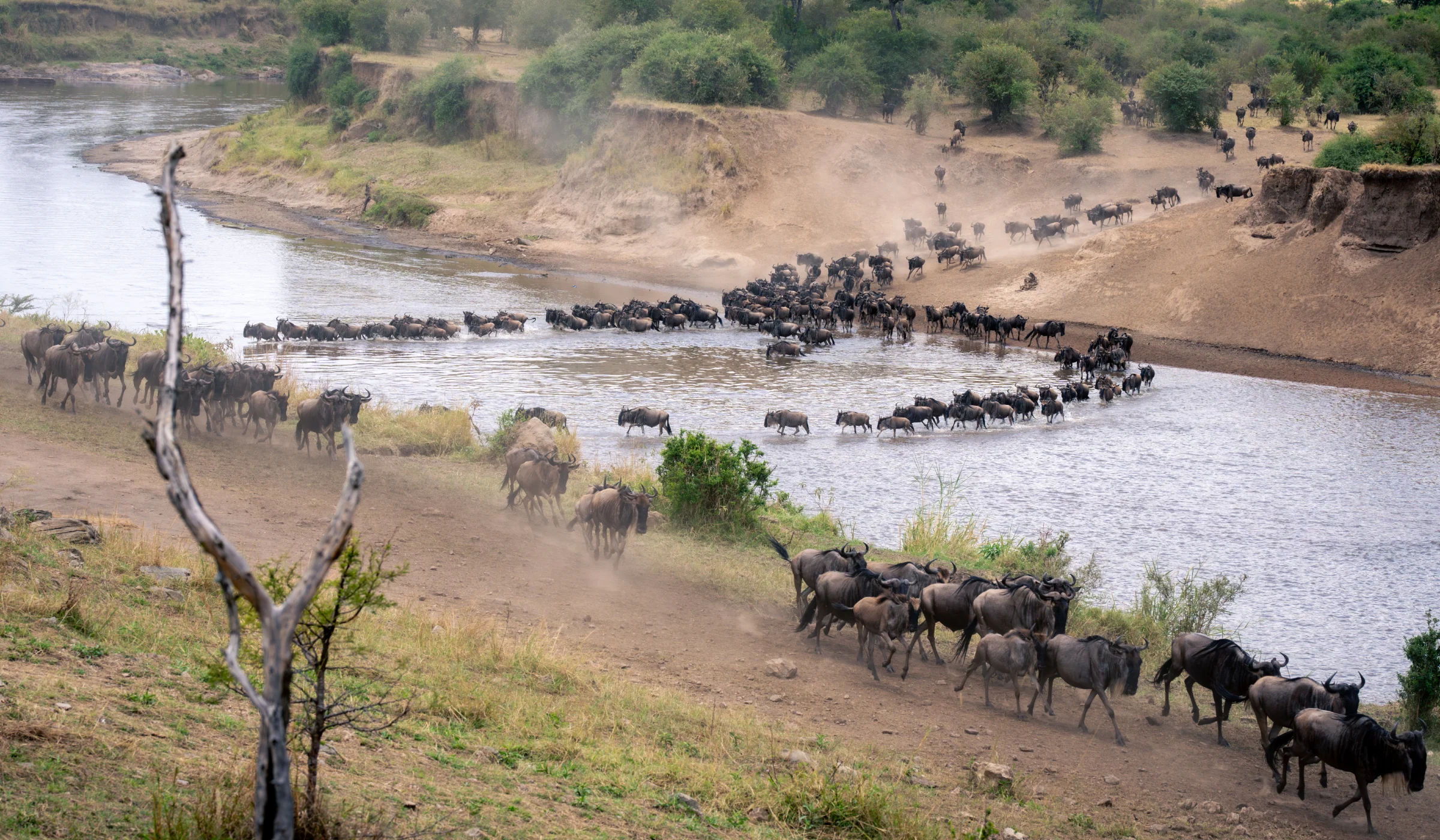
Serengeti National Park is famous for its vast landscapes and incredible wildlife, especially the Great Migration. This annual movement of over two million wildebeests, zebras, and gazelles is one of the world’s most spectacular natural events. The park also features diverse ecosystems including savannahs, woodlands, and kopjes.
When is the best time to visit Serengeti National Park?
The best time to visit depends on your experience goals. The dry season (June to October) is ideal for wildlife viewing and witnessing the Great Migration in key areas.
From November to May, the park becomes greener and less crowded, though some roads may be difficult due to rain.
What wildlife can you see in Serengeti National Park?
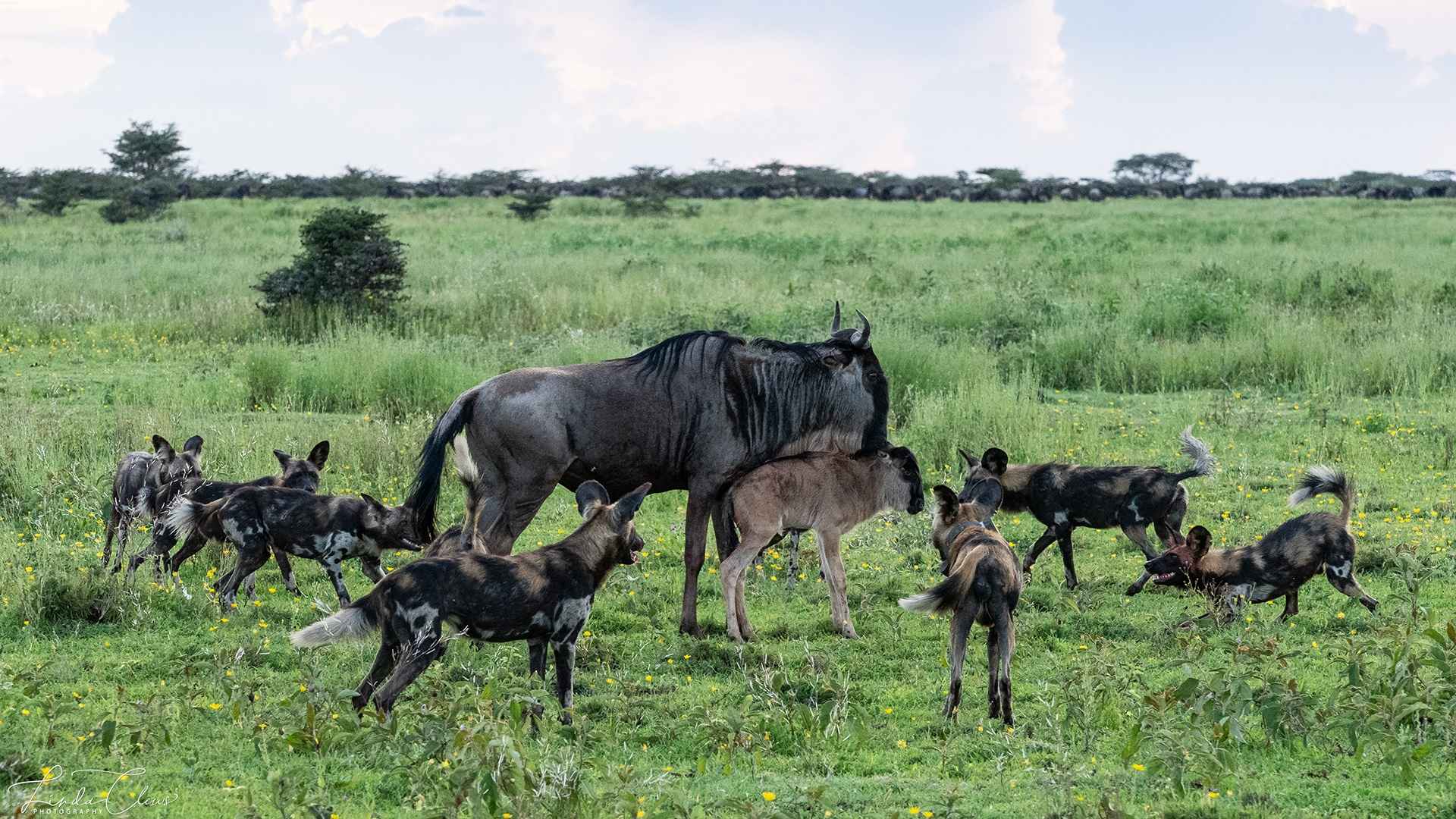
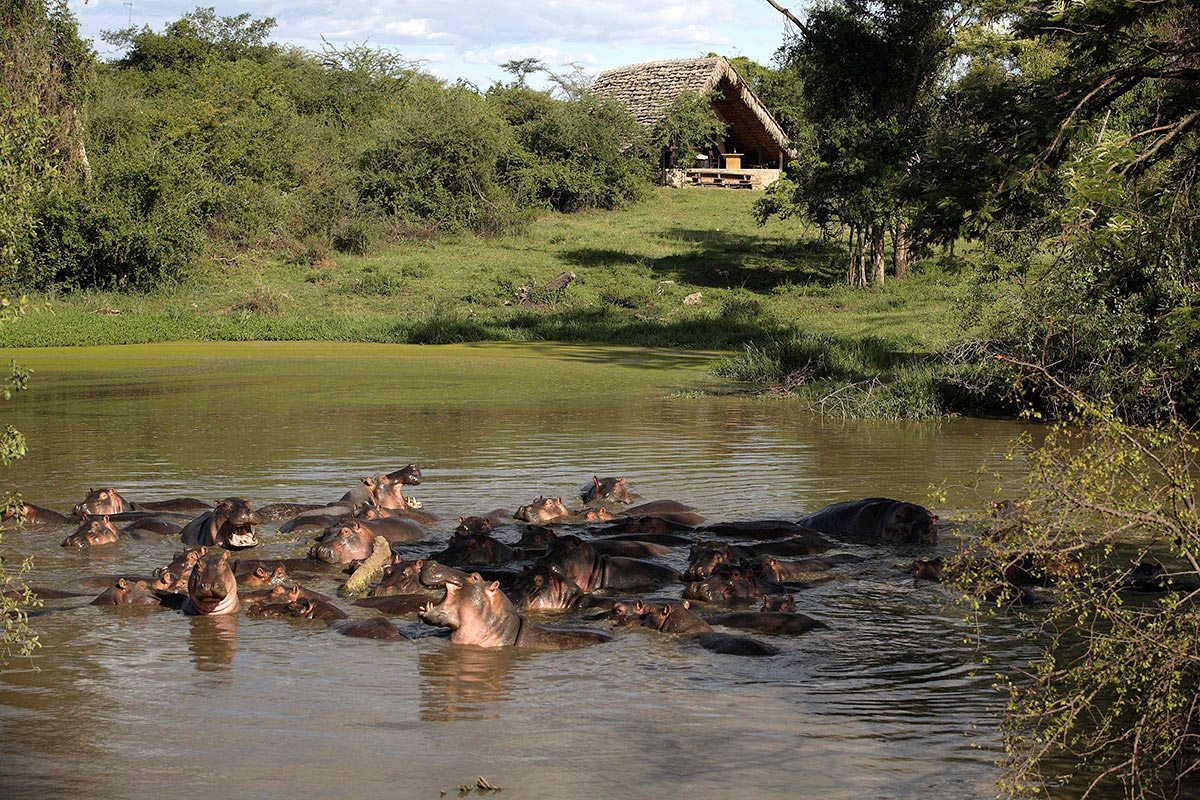
Serengeti is home to the Big Five: lions, leopards, elephants, buffalo, and rhinos. It also hosts cheetahs, giraffes, hippos, hyenas, and hundreds of antelope species.
Bird lovers can enjoy over 500 species, making it one of Africa’s richest wildlife destinations.
How can I get to Serengeti National Park?
You can reach Serengeti by air or road. Flights operate from Arusha, Kilimanjaro International Airport, and Zanzibar to various airstrips inside the park.
Road travel is also possible but takes longer due to distance and terrain.
Are there accommodation options within Serengeti National Park?
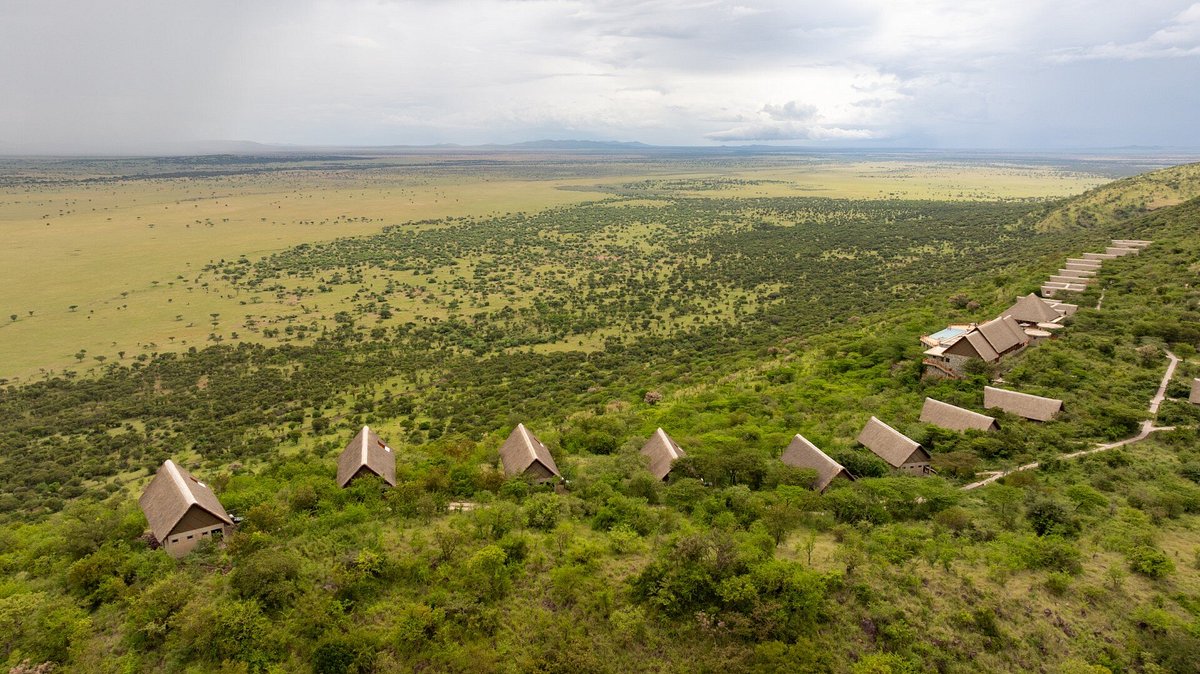
Yes, Serengeti offers a wide range of accommodation options including luxury lodges, tented camps, midrange stays, and budget campsites.
Popular options include high-end safari lodges as well as public camps managed by TANAPA.
What should I pack for a trip to Serengeti National Park?
Pack lightweight clothing for daytime and warm layers for early mornings and evenings. Neutral colours are recommended for safari activities.
Also bring sunscreen, insect repellent, binoculars, a camera with zoom lens, and rain gear if visiting during the wet season.
What are the park’s entry fees and permit requirements?
Entry fees vary depending on nationality and duration of stay. Foreign tourists generally pay higher fees than East African residents.
Fees are payable at park gates or through tour operators and may change over time.
Can I visit Serengeti National Park on a self-drive safari?
Yes, self-drive safaris are allowed but require a 4×4 vehicle and good planning.
Visitors must follow park rules, stay on designated roads, and respect wildlife safety guidelines.
What health precautions should I take before visiting Serengeti National Park?
Consult a travel clinic before your trip for recommended vaccinations such as hepatitis, typhoid, and yellow fever.
Malaria prevention is strongly advised, including medication and insect protection.
Are there any cultural considerations when visiting Serengeti National Park?
Yes, the Serengeti region is home to the Maasai people with rich cultural traditions.
Always ask permission before photographing people and respect local customs and communities.
What are the main activities to do in Serengeti National Park?
Top activities include game drives, walking safaris, and hot air balloon safaris.
Some lodges also offer conservation experiences and educational tours.
Is Serengeti National Park safe for tourists?
Yes, the park is generally safe when visitors follow guide instructions and safety rules.
Always stay inside vehicles during game drives and maintain a safe distance from wildlife.
How do I book a safari in Serengeti National Park?
You can book through a tour operator or travel agency, which will arrange accommodation, transport, and game drives.
Direct booking with lodges is also possible, especially for customised safari experiences.
Add CWPC KENYA SAFARIS as a Preferred Source on Google to always receive verified wildlife guides, migration alerts, and safari tips.
Ready to Plan Your East Africa Journey?
Our local safari experts in Nairobi & Maasai Mara, Kenya, are ready to tailor-make your dream adventure.
Request Itinerary Quote